
The Mortgage Rate You See Online Isn’t the One You’d Get in Metro Phoenix
You’ve probably seen the headlines saying mortgage rates have climbed to their highest point since January 2025. If that’s making you hesitate on a home search in Scottsdale, Gilbert, Buckeye, or anywhere else in the Valley, here’s the thing to remember.
That headline number isn’t necessarily your number.
It’s one of the most common misconceptions I run into with buyers across Maricopa County: the rate you see online is treated like a fixed price tag, when it’s really just a national average. Your actual rate is built around your specific financial picture, and it can land meaningfully higher or lower than what’s trending on social media.
What Actually Determines Your Rate
Advertised rates and your real rate aren’t the same thing, because your real rate is based on you, not a national blended average. Here’s what I’m looking at when I build out a rate for a client:
Your credit score. This includes your payment history, how much of your available credit you’re using, and how long your accounts have been open. A buyer with a strong score is going to see a meaningfully better rate than someone rebuilding credit, even on the same day, for the same loan amount.
Your debt-to-income ratio (DTI). I take your monthly debt payments and divide them by your gross monthly income. The higher that number runs, the higher your rate is likely to be, which is one reason paying down a car loan or credit card before you start shopping can move the needle more than people expect.
Down payment size and loan-to-value (LTV). Your down payment is the percentage of the purchase price you’re putting down up front. The LTV is the inverse — the percentage of the home’s price you’re financing. Buyers using Arizona programs like Home in Five Advantage or HOME Plus for down payment assistance should know this changes the math too, and it’s worth walking through before you assume you need 20% down to get a competitive rate.
Loan program and term. Conventional, FHA, VA, jumbo, 15-year versus 30-year — I’ll walk you through what you actually qualify for, because rates vary by product, not just by borrower.
Once you’re under contract, a couple more levers can move your rate:
A rate buydown. You pay an upfront cost to lower your rate, and by extension your payment. In this market I’m seeing sellers and builders offer to cover this as a buyer incentive more often, especially on homes that have sat a little longer.
Seller concessions. Most loan programs allow the seller to cover a portion of your closing costs. In Metro Phoenix, where negotiating room varies a lot by submarket right now, that can free up cash to pay down debt or boost your down payment, both of which can improve your rate.
Your First Step: Getting Pre-Approved
If you want to know whether your real number lands above or below the headlines, the only way to find out is a conversation with a lender who’s actually looking at your file.
Just know that, of the two, the pre-approval process gives you a more accurate picture of your options than pre-qualification. Bankrate gives a quick comparison so you can see why:
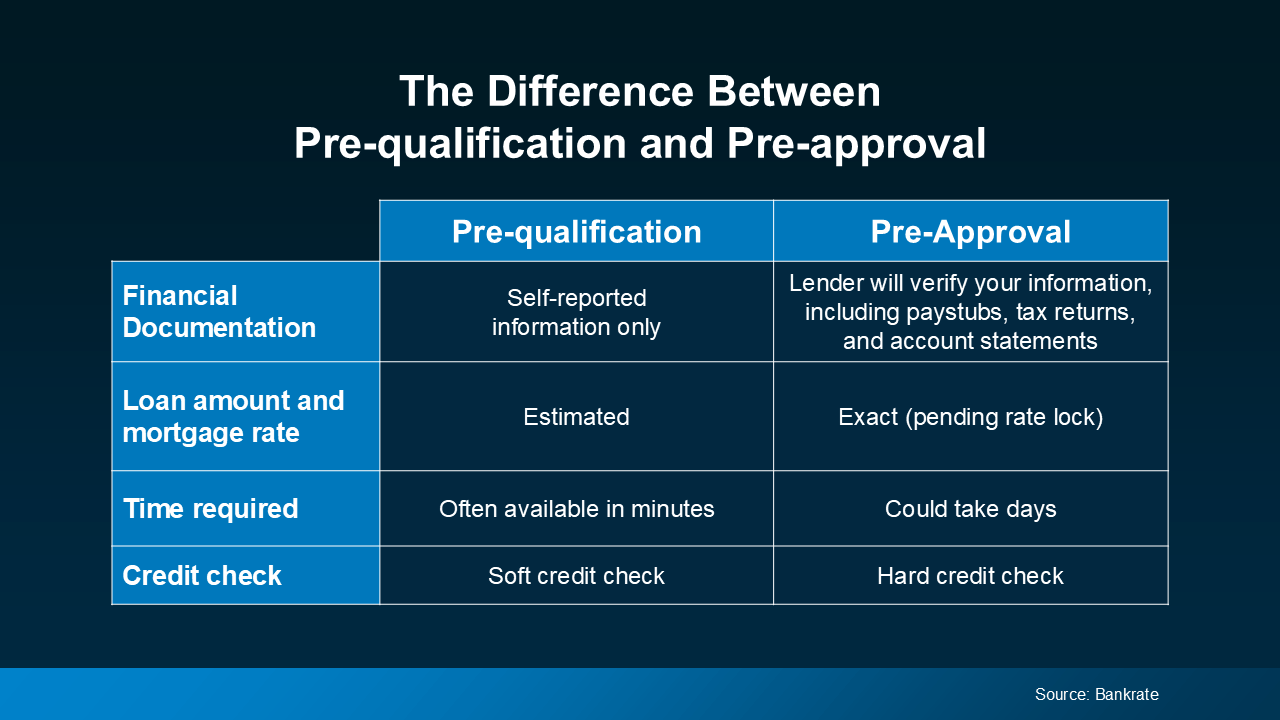
There’s a difference between the two starting points:
Pre-qualification is a general estimate based on what you tell me about your finances.
Pre-approval is a conditional commitment based on documentation I’ve actually verified — income, assets, credit. If you’re planning to write offers anywhere competitive in the Valley, pre-approval is the one that carries weight with listing agents.
How to Get Ready for the Conversation
Ask what documents you’ll need to pull together, and bring these questions with you:
What do I gain or lose by waiting three, six, or twelve months to buy?
Are there tax advantages to buying now, and what are they?
What’s the value of starting to build equity now versus waiting, and how does that play out over time in a market like ours?
How would rate movement in either direction actually affect my payment?
Once you know your real rate, you might find you’re ready now. Or you might decide to wait. Either way, you’re making that call with real numbers instead of a headline.
Bottom Line
Headlines and social media make today’s rates sound intimidating. But the rate you’re seeing online and the rate you’d actually get can be two very different numbers. If you’re buying anywhere in Metro Phoenix, from Ahwatukee to Queen Creek to the West Valley, the only way to know your real rate is to talk it through with a lender who knows this market.
Let’s find out what your number actually is, and what it can do for you.
